

How to Evaluate Cleanliness and Hygiene Standards in Pet Boarding
Category : Non-Verbal Communication
Pet owners want to ensure their furry friends are well cared for in boarding facilities. Evaluating cleanliness and hygiene standards is crucial.
By examining facility appearance, sanitation practices, waste disposal procedures pet hotel, ventilation, and pest control measures, owners can make informed decisions.
This article guides readers on assessing these factors to ensure their pets stay in safe and healthy environments.
Facility Appearance
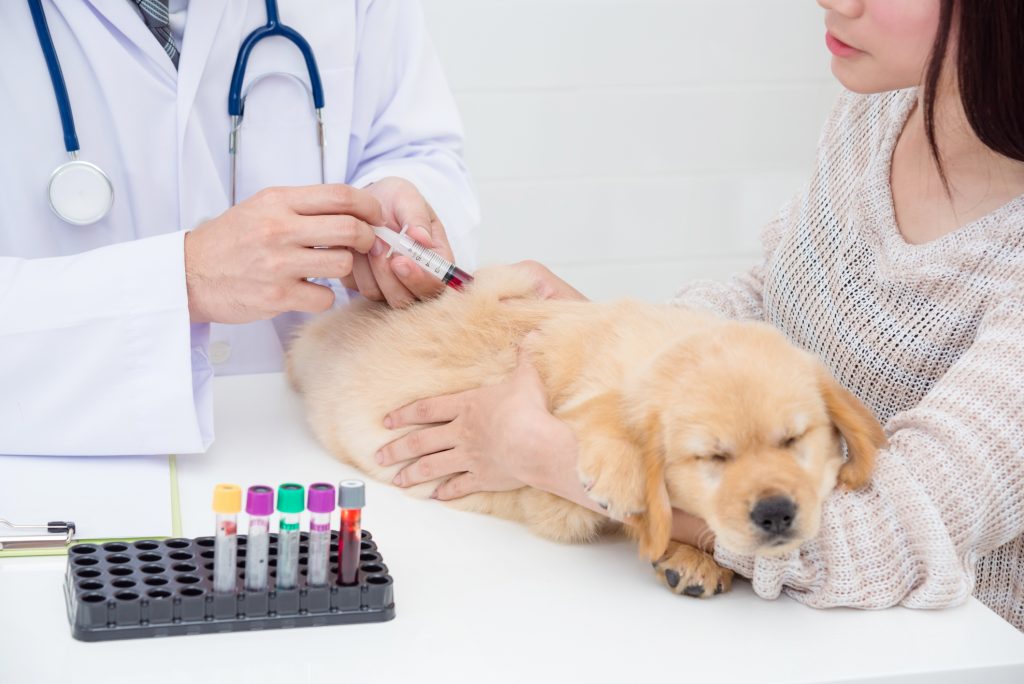
When evaluating cleanliness and hygiene standards in pet boarding, pet owners should assess the facility’s appearance to ensure their pet’s well-being and comfort starlux pet universe. A clean and well-maintained facility often indicates a high level of care and attention to detail. Pet owners should look for tidy and organized spaces, fresh air circulation, and sanitary conditions such as clean bedding and litter areas.
Additionally, a pleasant ambiance with minimal odors can contribute to a positive experience for pets. Any signs of neglect or uncleanliness should raise concerns about the overall standard of care provided. By prioritizing the appearance of the boarding facility, pet owners can help guarantee that their furry companions are in a safe and healthy environment while they’re away.
Sanitation Practices
Pet owners should observe the frequency of disinfection procedures to assess the sanitation practices at a pet boarding facility. Regular cleaning and disinfecting of kennels, play areas, and common spaces are crucial in preventing the spread of illnesses among pets.
Owners should look for visible signs of cleanliness, such as absence of foul odors, clean water and food bowls, and tidy bedding. Additionally, inquire about the cleaning products used to ensure they’re pet-safe yet effective against germs.
Proper waste disposal practices, including prompt removal of pet waste, also indicate a commitment to sanitation. By evaluating these aspects, pet owners can ensure their furry companions are in a clean and hygienic environment during their stay at a boarding facility.
Waste Disposal Procedures
Effective waste disposal procedures play a crucial role in maintaining the cleanliness and hygiene standards of a pet boarding facility. Proper disposal of pet waste, used bedding, and other waste materials is essential to prevent the spread of bacteria and odors that can negatively impact the health and well-being of the animals in the facility. Pet boarding facilities should have designated waste disposal areas that are easily accessible and regularly maintained.
Waste bins should be emptied frequently to avoid overflowing and potential contamination. It’s also important for facilities to have protocols in place for the disposal of hazardous waste, such as used needles or medication, to ensure the safety of both pets and staff. By adhering to strict waste disposal procedures, pet boarding facilities can create a clean and healthy environment for their furry guests.
Ventilation and Air Quality
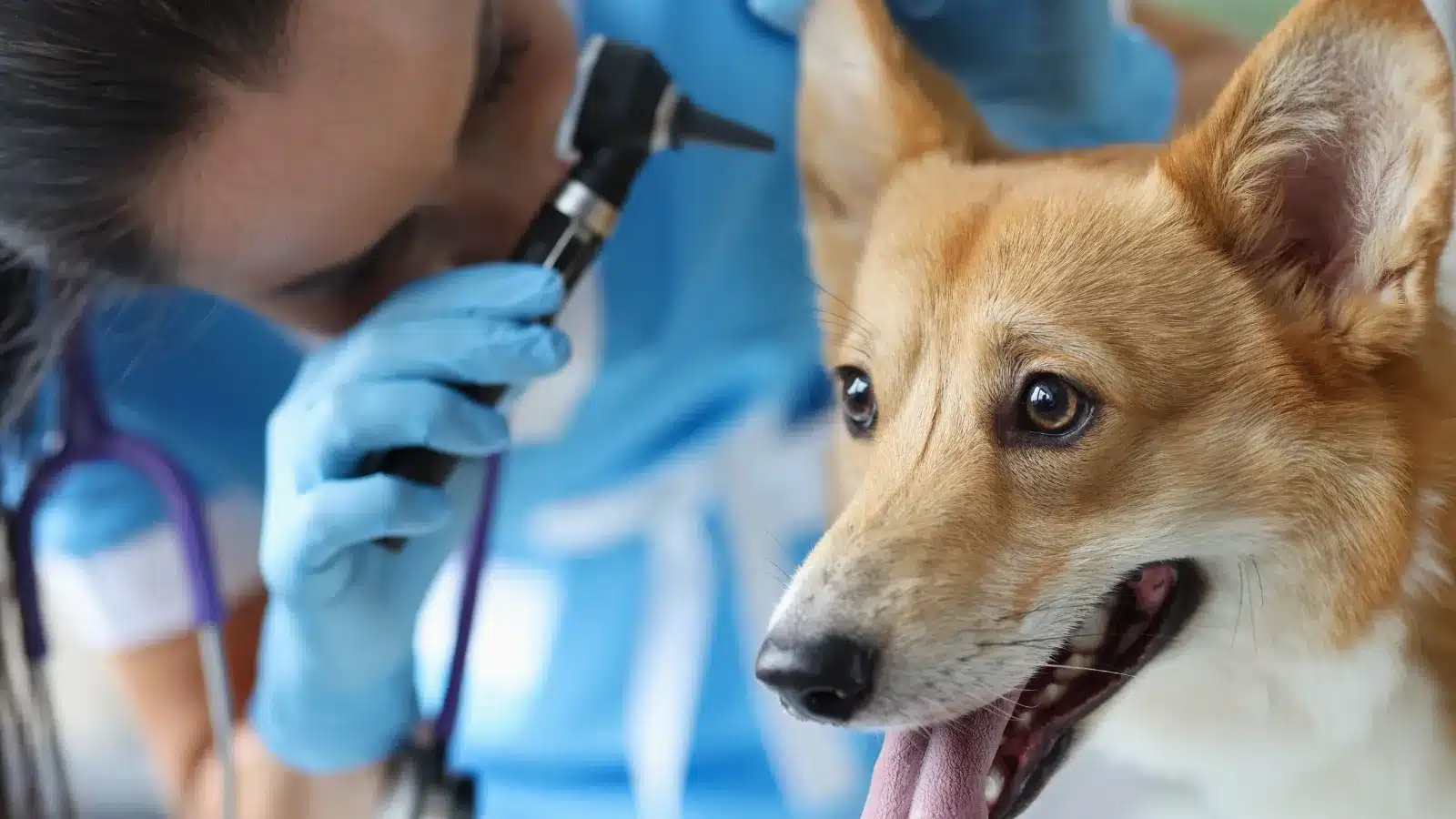
Proper ventilation in pet boarding facilities is essential to maintain high air quality standards. Adequate airflow helps prevent the buildup of odors, bacteria, and airborne particles that can affect both pets and staff. Pet boarding spaces should have well-maintained ventilation systems that circulate fresh air regularly.
Additionally, facilities should be equipped with air filtration systems to ensure that the air remains clean and free of contaminants. Pet owners concerned about their furry companions’ well-being should inquire about the ventilation and air quality practices at the boarding facility.
Good ventilation not only contributes to a pleasant environment but also plays a significant role in maintaining a healthy and safe space for all pets staying at the facility.
Pest Control Measures
Maintaining a rigorous pest control regimen is crucial in ensuring a sanitary environment at pet boarding facilities. Pet boarding facilities should implement proactive pest control measures to prevent infestations and protect the health of the animals in their care. Regular inspections for signs of pests such as insects, rodents, or parasites are essential.
Using safe and effective pest control products is important to avoid harming the pets or staff. Facilities should also ensure proper waste management to eliminate attractants for pests. Additionally, sealing off entry points and maintaining cleanliness throughout the facility can help deter pests from infiltrating the premises.
Prioritizing pest control not only promotes a hygienic environment but also safeguards the well-being of the animals staying at the boarding facility.
Conclusion
Overall, when evaluating cleanliness and hygiene standards in pet boarding facilities, it’s important to consider the following factors:
- The appearance of the facility
- Sanitation practices
- Waste disposal procedures
- Ventilation and air quality
- Pest control measures
By assessing these factors, pet owners can ensure that their furry friends will be well taken care of in a clean and safe environment while they’re away.


